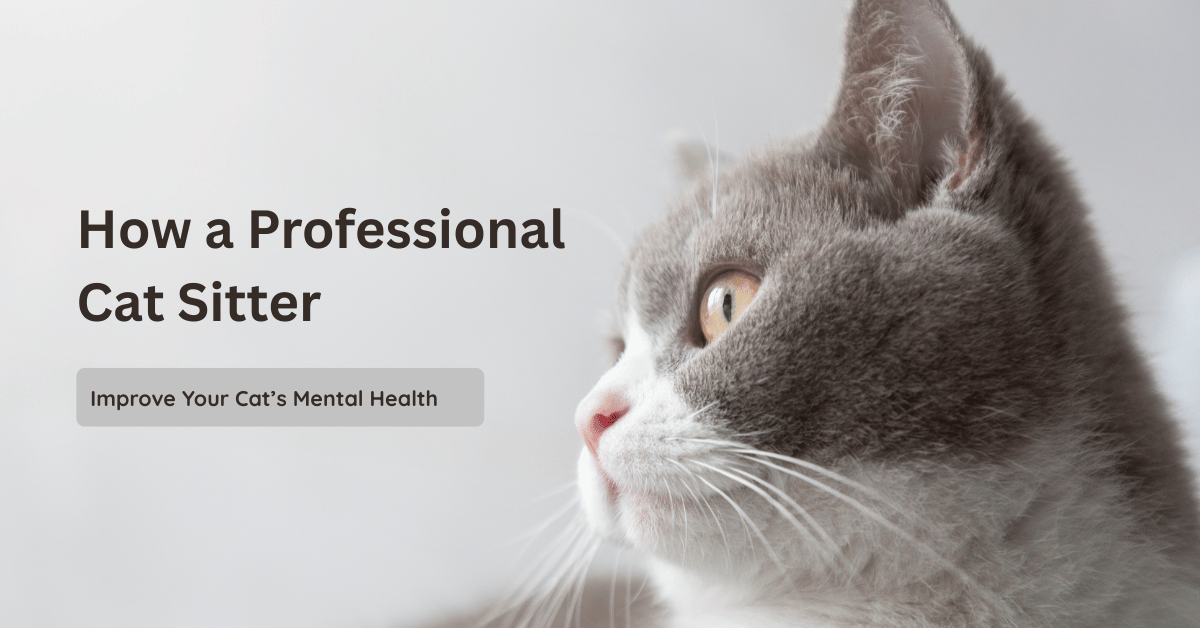
When people think about cat sitting, they usually focus on the basics: feeding, cleaning the litter tray, and making sure the cat is safe. But there’s another side of cat care that often gets overlooked: your cat’s mental health.
Cats are emotional, intelligent animals. They form strong attachments to their environment, their routines, and the people they trust. When these things change suddenly, such as when their owner goes on holiday or travels for work, it can affect their behaviour and emotional wellbeing more than most people realise.
This is where a professional cat sitter can make a real difference. Not just by meeting physical needs, but by supporting your cat emotionally, reducing stress, and maintaining a sense of normality while you’re away.
Understanding a Cat’s Emotional Needs
Cats are often labelled as independent, but that doesn’t mean they don’t need emotional care. In fact, cats can be very sensitive to changes in their surroundings. They rely heavily on familiarity with the same smells, sounds, routines, and spaces.
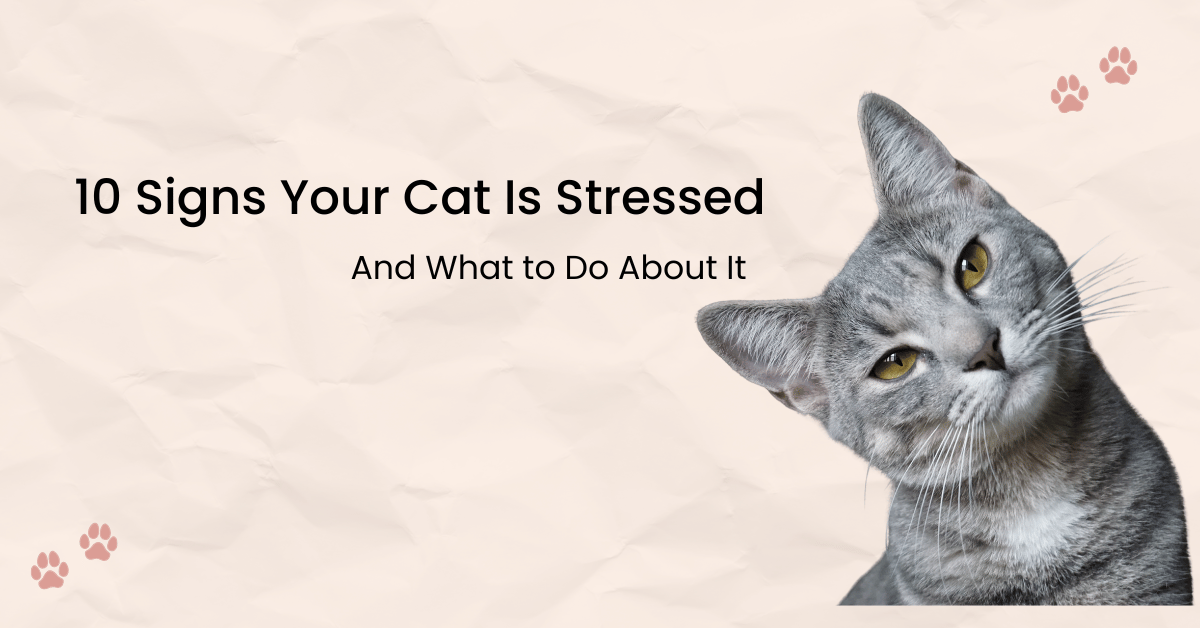
When something disrupts this, such as being left alone for long periods or moved to an unfamiliar place, cats may experience stress or anxiety. This can show up in subtle ways, including:
- Hiding more than usual
- Loss of appetite
- Excessive grooming
- Aggression or unusual behaviour
- Changes in litter habits
These signs are easy to miss, especially if no one is around to notice them. That’s why consistent, attentive care is so important for a cat’s mental well-being.
Why Routine Is So Important for Cats
Routine plays a huge role in how secure a cat feels. Feeding times, playtime, and even quiet rest periods help cats understand their environment and feel in control.
When owners travel, routines disappear. Food might be delayed, interaction might be reduced, and the house might feel empty and unfamiliar. This lack of structure can lead to confusion and stress.
A professional cat sitter helps maintain that routine. They arrive at set times, follow the cat’s usual schedule, and keep daily habits as close to normal as possible. This consistency helps cats feel grounded, even when their owner is not home.
Familiar Environment Reduces Anxiety
One of the biggest advantages of professional cat sitting is that the cat stays in their own home. Unlike boarding facilities or catteries, home-based care allows the cat to remain in a familiar environment filled with their own scents, furniture, and hiding spots.
For many cats, staying at home significantly reduces anxiety. They don’t have to adjust to new smells, new animals, or loud environments. Instead, they can relax in the space they already trust.
A professional sitter understands how important this is and adapts their behaviour to suit the cat’s personality. Some cats want attention and play. Others prefer quiet company and space. A trained sitter respects both.
The Emotional Value of Human Interaction
Even cats that seem aloof benefit from regular human presence. They may not always seek cuddles, but they still notice when someone is around.
Professional cat sitters provide more than basic care; they offer companionship. This can include:
- Talking gently to the cat
- Sitting nearby while the cat relaxes
- Offering play sessions with toys
- Providing affection when welcomed
This interaction helps prevent feelings of isolation. It also keeps cats mentally stimulated, which is especially important for indoor cats who rely heavily on their environment for enrichment.
Mental Stimulation Through Play and Engagement
Mental health is closely linked to mental stimulation. Cats need opportunities to explore, play, and engage with their surroundings. Without this, they can become bored, frustrated, or even depressed.
A professional cat sitter knows how to encourage healthy play and enrichment. This might involve:
- Interactive toys like feather wands or puzzle feeders
- Rotating toys to keep things interesting
- Gentle games that suit the cat’s energy level
- Observing what the cat enjoys and adjusting accordingly
This kind of stimulation keeps a cat’s mind active and helps release stress in a positive way.
Reducing Separation Anxiety
Some cats experience separation anxiety, even if it’s not obvious. They may become withdrawn, overly vocal, or show changes in behaviour when their owner is gone.
A professional sitter helps reduce this by becoming a consistent, trusted presence. Over time, the cat associates the sitter with safety and care. This reduces feelings of abandonment and helps the cat adapt more easily to the owner’s absence.
While a sitter can never replace the owner, they can provide emotional continuity, which is far better than leaving the cat completely alone.
Early Detection of Behavioural Changes
One of the most underrated benefits of professional cat sitting is observation. Experienced sitters notice small changes that others might miss.
This includes:
- Changes in appetite
- Lethargy or low energy
- Unusual grooming patterns
- Signs of stress or discomfort
Spotting these early can prevent bigger problems. If a cat seems unwell or distressed, a professional sitter can inform the owner quickly and suggest next steps. This kind of awareness supports both mental and physical health.
Building Trust Through Professional Care
Cats are selective about who they trust. They read body language, tone, and behaviour carefully. A professional sitter understands how to approach cats in a calm, respectful way.
They don’t force interaction. They allow the cat to set boundaries. Over time, this builds trust and comfort, which directly supports emotional well-being.
This is very different from asking a random friend or neighbour to “just pop in.” While well-intentioned, someone without cat experience may miss emotional cues or unintentionally stress the cat.
Why Professional Care Makes a Long-Term Difference
The impact of professional cat sitting goes beyond a single trip. Cats that receive consistent, stress-free care tend to be:
- More relaxed
- More confident with new people
- Less anxious when owners travel
- More emotionally stable overall
This makes future trips easier for both the cat and the owner. The cat learns that absence doesn’t mean abandonment; it simply means a new routine with a trusted caregiver.
Conclusion
Caring for a cat isn’t just about food and litter trays. It’s about emotional security, mental stimulation, and feeling safe in their world.
A professional cat sitter doesn’t just look after your cat; they support your cat’s mental health during one of the most vulnerable times: when you’re not there.
By maintaining routine, providing companionship, encouraging play, and observing behaviour, a professional sitter helps your cat stay calm, confident, and emotionally balanced.
1. Do cats really experience stress when their owner travels?
Yes, many cats experience stress when their routine or environment changes. Even though cats are often seen as independent, they form strong attachments to their home and daily habits. When an owner travels, the sudden absence can lead to anxiety, hiding, appetite changes, or unusual behaviour.
2. Is staying at home better than using a cattery or boarding facility?
For most cats, yes. Staying in their own home helps reduce anxiety because they remain surrounded by familiar smells, furniture, and routines. This familiar environment provides emotional security that boarding facilities cannot always replicate.
3. How does a professional cat sitter support a cat’s mental health?
A professional cat sitter supports mental health by maintaining routine, offering companionship, providing play and enrichment, and observing behavioural changes. Consistent visits help reduce stress and create a sense of stability while the owner is away.
4. Can a cat suffer from separation anxiety?
Yes, some cats do experience separation anxiety. Signs may include excessive vocalisation, destructive behaviour, withdrawal, or changes in eating and grooming habits. A regular, trusted sitter can help reduce these feelings by providing reassurance and routine.
5. Why choose a professional cat sitter instead of asking a friend or neighbour?
While friends or neighbours may mean well, professional cat sitters understand feline behaviour and emotional cues. They know how to approach cats calmly, respect boundaries, and spot early signs of stress or illness. This level of experience provides better emotional and physical care for your cat.