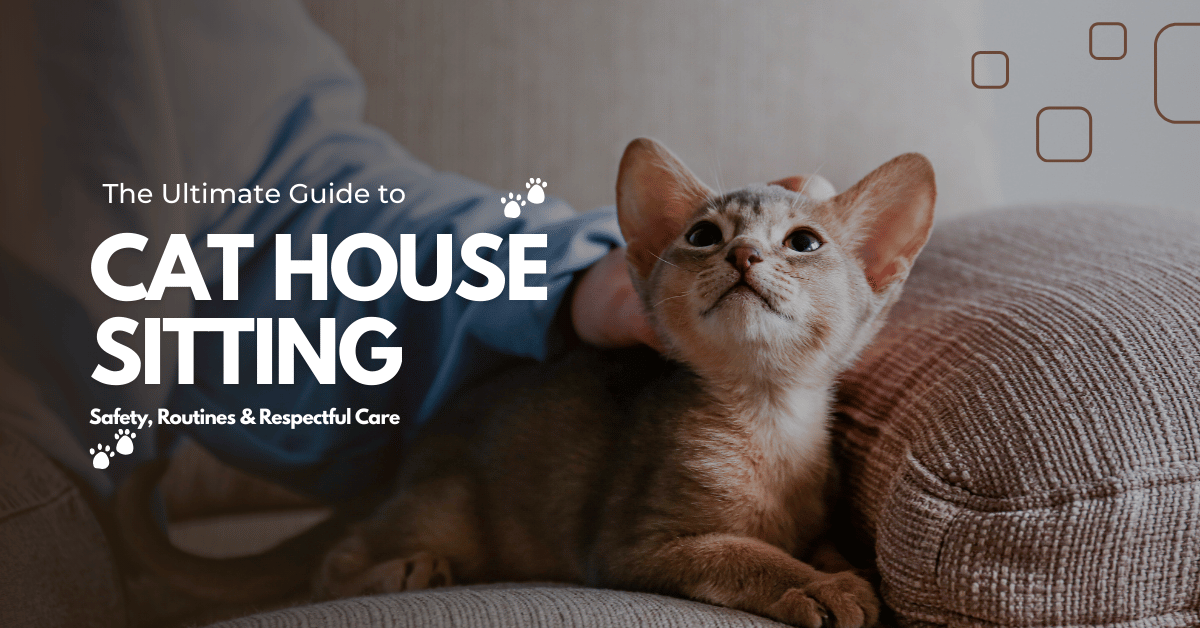
House sitting with cats is one of the most rewarding ways to care for pets while offering homeowners peace of mind. Whether you are considering it as an occasional gig, long-term travel support, or a trusted service you offer regularly, understanding the fundamentals is essential to delivering a professional, high-quality experience.
In this guide, we will explore how to approach house and cat sitting with professionalism, prioritise safety, honour routines, and be respectful of both the home you are staying in and the people who entrusted it to you.
What House Sitting Really Means
At its core, house sitting involves staying in a pet owner’s home while they are away and looking after their cats and often their property too. It is more than just feeding and cleaning; it is about keeping everything as close to normal as possible while the owner is gone. Unlike drop-in visits, house sitting requires you to live in the space and maintain daily routines for both pets and the home environment.
Cat house sitting blends companionship, responsibility and trust. The owner’s expectation is that their cat (or cats) enjoys comfort and consistency, just as they would if the owner were at home.
Safety First: Protecting Pets and Property
A professional cat sitter always starts with safety.
1. Know the Home Inside Out
Before the sit begins, take time to familiarise yourself with the safety features of the home. Understand where emergency exits, locks, fuse boxes and pet supplies are located. Ensure that doors and windows are secure each time you leave and return. Keeping the home safe protects the property and prevents cats from escaping or getting into danger.
2. Emergency Preparedness
Always have clear contact information for:
- The pet owner
- The nearest veterinary clinic
- An emergency contact (in case the owner is unreachable)
Having these numbers saved in your phone and written down somewhere visible can make a critical difference if an urgent situation arises.
3. Health and First Aid
A basic understanding of feline first aid is a major advantage, knowing how to recognise signs of distress and when it is appropriate to seek professional help. Ask owners to provide veterinary details and any medical instructions well before the sit begins.
The Importance of Routine for Cats
Cats are creatures of habit. A shift from their usual environment, even to a loved sitter, can cause stress if routines are not maintained.
1. Consistent Feeding and Litter Care
Follow the feeding schedule exactly as instructed. Cats thrive on regularity, so be precise about mealtimes, portion sizes and dietary preferences. It is equally important to clean and refresh litter trays on the owner’s outlined timetable; a neglected tray can lead to behavioural issues.
2. Play and Interaction
Cats may not need outdoor walks like dogs, but they benefit from scheduled play sessions and focused attention. Maintaining the cat’s preferred activities (whether toy play, brushing, or quiet cuddle time) signals care and keeps them calm.
3. Night and Day Schedule
Advanced sitters ask about a cat’s sleep preferences. Do they like company at night? Do they prefer quiet environments? Asking these questions during initial discussions helps you mirror their natural rhythm.
Respecting the Home as If It Were Your Own
As a house sitter, you are a guest entrusted with someone’s private space. Respect and etiquette go hand in hand with good cat care.
1. Cleanliness Counts
Keep the home tidy throughout the stay. This includes doing regular chores such as washing dishes, making beds and ensuring floors are clean, especially in areas frequented by the cat. Many homeowners expect their homes to be in the same condition when they return, if not better.
2. No Guests Unless Approved
Never invite friends or family into the home unless you have received explicit permission from the owner ahead of time. Even a short visit can make owners uneasy and may disrupt the cat’s sense of security. Always be transparent; courteous communication builds trust.
3. Respect Privacy
Avoid using personal items or entering spaces that have been designated as off-limits. You are there as a responsible sitter, not as a house guest with free rein. Treat belongings, documents and personal spaces with discretion.
Communication: The Cornerstone of Trust
Clear, consistent communication reassures owners and enhances your reputation as a reliable sitter.
1. Daily Updates
Sending a message each day, ideally with a photo of the cat, goes a long way. It shows the owner that everything is under control and that their cat is thriving in their absence.
2. Handle Issues Promptly
If anything unusual occurs, from a broken appliance to a change in the cat’s eating habits, notify the owner immediately. Calm, honest communication demonstrates professionalism and reassures owners that their home and pet are in capable hands.
Dealing with Unexpected Situations
No matter how organised you are, surprises happen. Perhaps the cat becomes unexpectedly sick. Perhaps the owner’s return date changes. Here’s how to handle it:
- Stay calm and assess the situation
- Follow the owner’s instructions if they are reachable
- Contact a vet if the cat’s health seems compromised
- Keep the owner updated with clear information
A composed, responsible approach to unforeseen challenges builds trust and often leads to repeat bookings or referrals.
Conclusion
House sitting with cats is far more than a temporary stay; it is a commitment to maintaining a safe, comfortable and loving environment for someone else’s cherished companion. When done correctly, it creates peace of mind for owners and a rewarding experience for sitters.
Being reliable, respectful and communicative transforms a good sitter into a great one. Respecting routines, maintaining safety and treating the home with the same care you would your own are the foundations of professional house sitting.
Every sit is an opportunity to deepen trust, build a strong reputation and offer peace of mind to someone who values their cat’s wellbeing above all else.
Frequently Asked Questions
1. What is cat house sitting and how is it different from drop-in visits?
Cat house sitting involves staying in the pet owner’s home while they are away, caring for both the cat and the property. Unlike drop-in visits, house sitting maintains the cat’s normal environment and routine, reducing stress and providing constant supervision and companionship.
2. How do I prepare for a cat house sitting assignment?
Preparation starts with clear communication. Sitters should familiarise themselves with the home layout, emergency exits, feeding schedules, litter routines and the cat’s behaviour. Having emergency contacts, veterinary details and medical instructions in advance is essential for a smooth sit.
3. Why are routines so important when house sitting for cats?
Cats are highly routine-driven animals. Maintaining consistent feeding times, litter cleaning schedules, play sessions and sleep patterns helps prevent anxiety, behavioural issues and changes in appetite. Following the owner’s routine closely keeps the cat calm and comfortable.
4. What safety responsibilities does a cat house sitter have?
A cat house sitter is responsible for securing doors and windows, preventing escapes, monitoring the cat’s health and responding appropriately to emergencies. This includes knowing when to contact a vet, recognising signs of distress and protecting the home from avoidable risks.
5. How should house sitters respect the homeowner’s space?
House sitters should treat the home as if it were their own. This means maintaining cleanliness, respecting privacy, avoiding off-limits areas and never inviting guests without permission. Professional conduct builds trust and reassures homeowners while they are away.
6. How often should a cat house sitter communicate with the owner?
Daily updates are considered best practice. A short message with a photo reassures owners that their cat is safe and settled. Any unusual behaviour, health concerns or household issues should be communicated promptly and clearly to maintain transparency and trust.