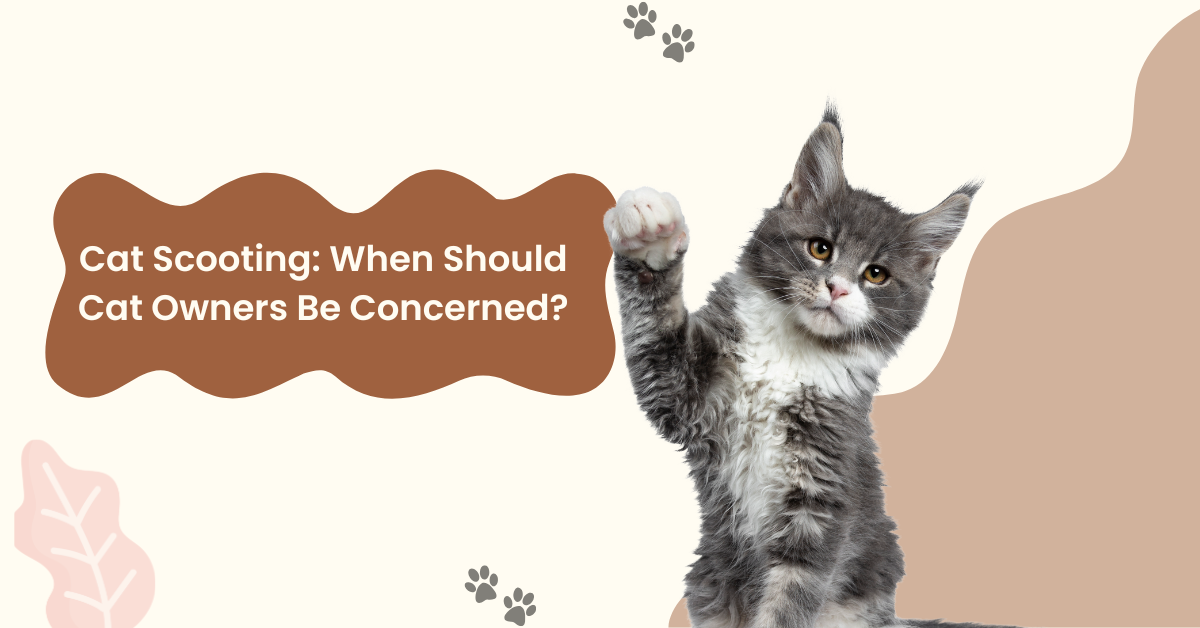
Cats are known for their graceful movements and quirky personalities, but some behaviours can leave owners feeling confused or concerned. One such behaviour is scooting-when a cat drags its bottom along the floor, carpet, or other surfaces.
While it may seem amusing at first, scooting is often your cat’s way of telling you that something isn’t quite right. Cats are naturally skilled at hiding discomfort, so visible behaviours like scooting can provide important clues about their health and wellbeing.
In many cases, occasional scooting may be linked to a minor irritation. However, repeated or persistent scooting can indicate underlying issues such as anal gland problems, parasites, allergies, or digestive discomfort that require attention.
As cat owners, understanding why scooting happens and recognising when it may signal a health concern can help ensure your feline companion stays comfortable, healthy, and happy.
What Is Cat Scooting?
Scooting occurs when a cat sits down and drags its rear end along the floor. Some cats may only do this briefly, while others may repeat the behaviour over several days or weeks.
Although scooting is more commonly associated with dogs, cats can also experience it. In most cases, the behaviour is an attempt to relieve itching, irritation, discomfort, or pressure around the anal area.
Because cats tend to hide signs of pain, scooting should never be dismissed entirely. Even if the cause is relatively minor, it is worth paying attention to changes in your cat’s behaviour to identify potential health issues early.
Why Do Cats Scoot?
There are several possible reasons behind scooting behaviour. Some are relatively minor, while others may require medical treatment.
1. Anal Gland Problems
One of the most common causes of scooting is irritation involving the anal glands.
Cats have small scent glands located near the anus. These glands normally release fluid naturally during bowel movements. However, sometimes the glands can become:
- Blocked
- Impacted
- Inflamed
- Infected
When this happens, cats may experience discomfort and begin scooting to relieve pressure or irritation.
Signs of anal gland issues may include:
- Frequent licking of the rear area
- Swelling near the anus
- Strong odour
- Pain while sitting
Anal gland problems should be assessed by a veterinarian to prevent infection or further complications.
2. Worms or Parasites
Intestinal parasites, particularly tapeworms, can also cause scooting in cats.
Parasites may create itching or irritation around the anal area, leading the cat to drag itself along the floor.
Other signs of worms may include:
- Weight loss
- Vomiting
- Changes in appetite
- Small white segments near the tail or litter tray
Regular deworming and parasite prevention are important for maintaining your cat’s health.
3. Allergies and Skin Irritation
Cats can develop allergies to food, environmental triggers, or flea bites. Allergies may lead to skin inflammation and itching around the rear end.
Common allergy triggers include:
- Certain proteins in food
- Dust mites
- Pollen
- Fleas
- Cleaning products
If allergies are the cause, scooting may occur alongside:
- Excessive scratching
- Hair loss
- Red or irritated skin
- Ear irritation
A veterinarian can help identify the underlying allergy and recommend treatment options.
4. Digestive Issues
Digestive problems can sometimes contribute to scooting behaviour.
Diarrhoea, constipation, or soft stools may leave residue around the anal area, causing discomfort or irritation.
Cats experiencing digestive upset may also show:
- Straining in the litter tray
- Changes in bowel habits
- Reduced appetite
- Lethargy
A balanced diet and proper hydration are essential for maintaining healthy digestion.
5. Fleas or External Parasites
Fleas can cause intense itching around the base of the tail and rear area. Cats with flea infestations may scoot in an attempt to relieve discomfort.
Even indoor cats can occasionally develop flea problems, so year-round prevention is important.
Signs of fleas may include:
- Excessive grooming
- Tiny black flea dirt in the fur
- Restlessness
- Hair thinning
Treating fleas promptly helps prevent further irritation and skin problems.
When Is Cat Scooting Serious?
Occasional scooting may not always be an emergency, but repeated or persistent behaviour should be taken seriously.
You should contact a veterinarian if your cat:
- Scoots frequently
- Shows signs of pain
- Has swelling or bleeding near the anus
- Stops eating
- Has diarrhoea or constipation
- Becomes lethargic
- Continuously licks the area
Ignoring ongoing scooting can allow underlying problems to worsen over time.
How Veterinarians Diagnose the Cause
A veterinarian will usually perform a physical examination to identify the reason behind scooting behaviour.
Depending on the symptoms, they may:
- Check the anal glands
- Examine the skin and fur
- Test for parasites
- Review diet and allergies
- Assess digestive health
Early diagnosis often makes treatment easier and more effective.
Treatment for Cat Scooting
Treatment depends entirely on the underlying cause.
Anal Gland Treatment
If the anal glands are blocked or impacted, the veterinarian may manually empty them. In cases of infection, antibiotics or anti-inflammatory medication may be required.
Parasite Treatment
Worms and fleas are typically treated with parasite-control medication.
Allergy Management
If allergies are involved, treatment may include:
- Dietary adjustments
- Flea prevention
- Medication
- Allergy management plans
Digestive Support
Digestive issues may improve with:
- Better hydration
- Dietary changes
- Fibre support
- Veterinary treatment if necessary
Can Scooting Be Prevented?
While not every cause can be prevented completely, there are several ways to reduce the risk of scooting problems.
Maintain Regular Vet Check-Ups
Routine veterinary visits help identify health issues early before they become more serious.
Keep Up With Parasite Prevention
Consistent flea and worm prevention is one of the best ways to protect your cat.
Feed a Balanced Diet
High-quality nutrition supports healthy digestion and proper bowel movements.
Monitor Grooming and Hygiene
Long-haired cats may need extra grooming to keep the rear area clean and comfortable.
Watch for Behaviour Changes
Cats often hide discomfort, so behavioural changes should never be ignored.
Should You Try Home Remedies?
Some pet owners attempt to treat scooting at home without professional advice. While mild cases related to temporary irritation may improve on their own, ongoing scooting should not be self-diagnosed.
Avoid:
- Using human creams or medications
- Attempting to express anal glands yourself
- Ignoring symptoms for long periods
Improper treatment can make problems worse or delay necessary medical care.
Understanding Your Cat’s Behaviour
Cats communicate discomfort differently from humans. Scooting is often a clear signal that something feels wrong physically.
Paying attention to small behavioural changes can help you catch health problems earlier and improve your cat’s overall wellbeing.
Even if the issue turns out to be minor, it is always better to investigate unusual behaviour rather than assume it will resolve on its own.
Final Thoughts
Cat scooting may seem harmless at first, but it can sometimes indicate underlying health issues that require attention. From anal gland problems and parasites to allergies and digestive discomfort, there are several possible causes behind this behaviour.
Occasional scooting may not always be serious, but repeated or persistent dragging should never be ignored. Monitoring your cat closely and seeking veterinary advice when needed can help prevent discomfort and more serious complications.
By understanding the causes of scooting and acting early, cat owners can keep their pets healthy, comfortable, and happy.
FAQs
1. Why is my cat dragging its bottom on the floor?
Cats usually scoot because of irritation, itching, or discomfort around the anal area. Common causes include anal gland problems, worms, allergies, or digestive issues.
2. Is cat scooting always serious?
Not always. Occasional scooting may happen due to temporary irritation, but frequent or repeated scooting should be checked by a veterinarian.
3. Can worms cause scooting in cats?
Yes, intestinal parasites like tapeworms can irritate the anal area and lead to scooting behaviour.
4. Should I take my cat to the vet for scooting?
You should contact a vet if the scooting happens regularly or if your cat shows signs of pain, swelling, bleeding, or changes in appetite or behaviour.
5. How can I prevent scooting in cats?
Regular parasite prevention, a healthy diet, proper grooming, and routine veterinary check-ups can help reduce the risk of scooting problems in cats.